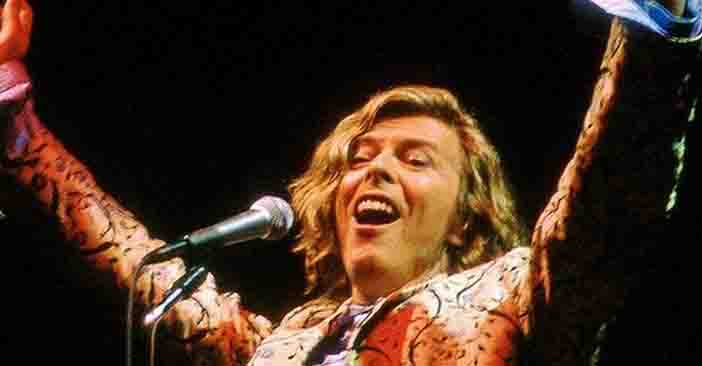
The 90-minute documentary will air on BBC Two and BBC iPlayer sometime in autumn 2026 – a firm release date has yet to be announced. The documentary film will explore the icon’s time in Berlin between 1976 and 1978.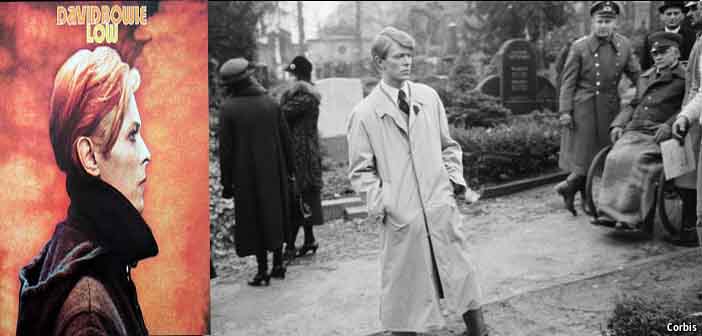
Bowie had famously retreated from fame and moved to Berlin in 1976 to kick his cocaine addiction and reroute his career – the move would prove integral, as it sparked three legendary albums: ‘Low’, ‘Heroes’ and ‘Lodger’ – also known as the Berlin Trilogy.
Bowie In Berlin will feature archival footage of the legendary musician himself, as well as rare interviews with four women who played a large role in Bowie’s life during his Berlin stay – Clare Shenstone, Romy Haag, Sarah-Rena Hine and Sydne Rome. Bowie considered all four women his muses, with each of them providing the musician with a different approach to art and life.
The producer told the tale, which also involves Iggy Pop, on BBC Radio 6 Music (January 7), Visconti explained that ‘Weeping Wall’ was written “because we lived in a war-torn city” while recording.
“Berlin was divided in four parts and the saddest part was the eastern part,” he recalled. “Occasionally we would venture across Checkpoint Charlie and go into East Berlin in the daytime and have a dinner and just walk around. We were allowed to do that. We were watched very carefully.
“Seeing the faces on these desperate people I think inspired David to write ‘Weeping Wall’, because on the other side of the Berlin Wall, those people were crying.”
“When the mix of ‘Weeping Wall’ was finished, I think in the control room we had myself, Iggy, Edu and his wife Barbara,” he recalled. “David said: ‘I want all of you to take a piece of paper and a pencil, and we’re going to listen to ‘Weeping Wall’ and I want you to draw a picture of what you think the song is about’.