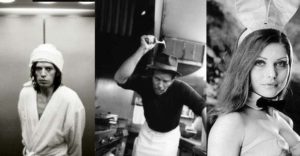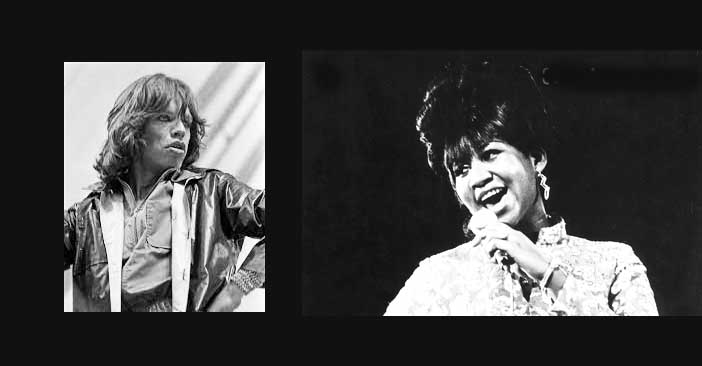
From 1964-1975 Cleveland-based photographer George Shuba had unprecedented access to the stars who were revolutionizing popular music, thanks to his connections with local media, including the nationally syndicated Upbeat Show, a “must” appearance for any music performer of the era. (excerpt from Americanbluesscene)
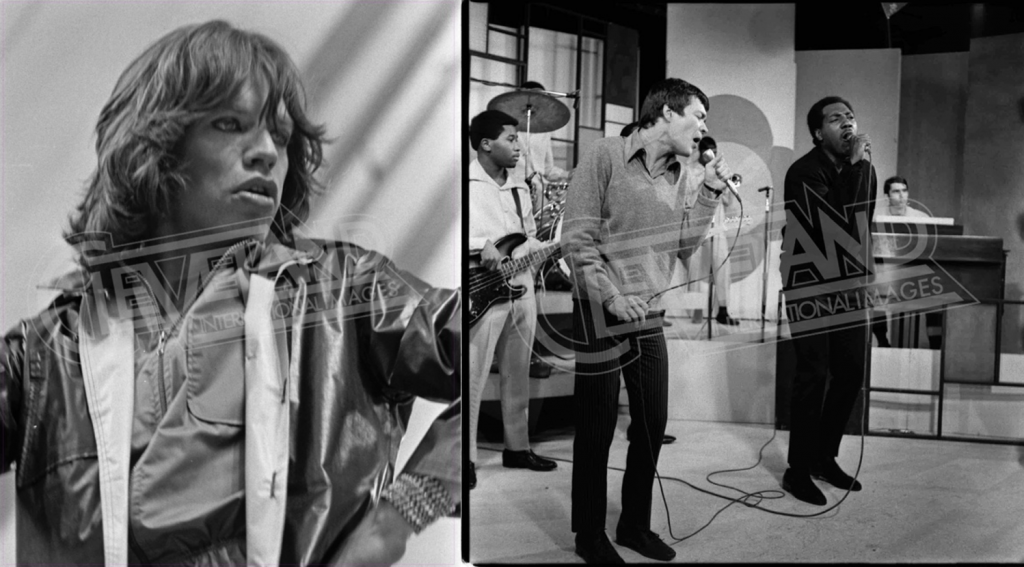
Now Cleveland International Images, a new division of Cleveland International Records, has acquired the George Shuba Collection, a treasure trove of more than 8,000 singular images, documenting the national and international artists for whom Cleveland was an essential stop on their touring and promotional routes. At a time when rock music had yet to acquire its own media infrastructure and dedicated photographers, no single person was more active in the field of music photography during rock’s “golden age” than Shuba, who turned his skills as a professional onto this burgeoning scene.

Shuba was dubbed “the grandfather of rock ‘n’ roll photography” by the late Jane Scott, Cleveland Plain Dealer rock music writer from the 60s through the late 90s. Images include the Beatles arrival at Hopkins International Airport on September 13, 1964, The Who’s Keith Moon launching his drum kit off the stage at Cleveland’s Public Auditorium, Meat Loaf, Ellen Foley, Ronnie Spector & the E-Street Band, Slim Whitman, Jim Steinman, Frank Yankovic, Joe Grushecky & the Houserockers, Southside Johnny & the Asbury Jukes, Jim Steinman, David Allan Coe, Brave Combo, Georgia Satellites, B.J. Thomas and others.
Abbey Road Studios announced winners of first ever Music Photography Awards.
A huge archive of previously unseen film and audio recordings, locked away for half-a century, were released by Apple to film-maker Peter Jackson and journalist John Harris. Peter Jackson's 3, 2-hour long films will be released next month. In them the band are at the top of their game. And while they talk about the future and just where they're all going, they are clearly having fun and making some fantastic music.
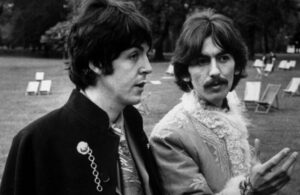
During the sessions for The Beatles (White Album) in 1968, eight-track recording was introduced, and in 1970 – after The Beatles had essentially split up – Phil Spector transferred the eight-track tapes from the Let It Be sessions onto a 16-track recorder.