By Fraser McAlpine BBC.com
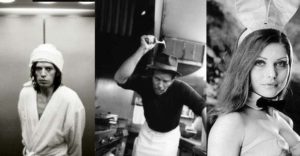
Chrissie Hynde's direct opposition to releasing it as a single seem even more odd. "This goes out over my dead body," she told producer Chris Thomas, only to be overruled and watch, appalled, as it went to No.1 in 1980.She told Classic Rock: "I never thought it was that great. Was it pop? Motown? Rock? It didn't seem to know what it was. I used to cringe when I heard my voice on those early Pretenders recordings, and then that f***** went to No.1! I remember walking around Oxford Circus hearing it blasting out of people's radios. I was mortified."
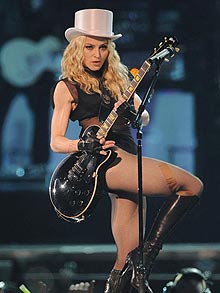
For Madonna, the disowning of various breakthrough hits is less an act of petulance and more a show of growth as a person and an artist. She fairly regularly dismisses her old hits. In 2008 she told New York's Z100 FM: "I'm not sure I can sing Holiday or Like A Virgin ever again. I just can't - unless somebody paid me like $30 million or something."
In 2009 she redoubled her attack on Like a Virgin, saying, "For some reason people think that when you go to a restaurant or you are going shopping that you want to hear one of your own songs. It's usually Like a Virgin - and that is the one I don’t want to hear."
"It was written to be as pop as it could possibly be, absurdly, ridiculously pop," Michael Stipe told the Sun, "The guys would give me pieces of music that were so ebullient and bubblegum that I'd be like, 'Okay, I accept your challenge and I raise you, we're going to call this one Shiny Happy People.'"
But the band's feelings about the song soon curdled. "We were going for something like The Banana Splits or The Monkees," Michael told the Telegraph, "It was a hit but none of us are particularly fond of it... It's a song primarily written for children".
Radiohead have never liked this song. Thom Yorke would sardonically refer to it as "crap" and had short shrift for fans who asked to hear it in concert. Jonny Greenwoodonly introduced those violent guitar spasms in the verses to try and mess it up, and it has caused the band legal trouble with both The Hollies (Albert Hammond and Mike Hazlewood, writers of their hit The Air That I Breathe, sued over melodic similarities) and Lana Del Rey, as BBC News reported.
This is how a hit was made in the 1980s. Take a hot band with artistic credibility (Simple Minds), offer them the soundtrack song to a hot new American movie (The Breakfast Club), tell them they can't record their own song, they'll need to go with the one they're given, then introduce band to songwriter and watch them get on like a house on fire while steadfastly refusing to record his song. At this point, wait until the lead singer starts to feel sorry for the songwriter and gathers the band into the studio just to have a bash at the song on his battered cassette. Let the singer introduce a "la la la" refrain at the end in the absence of lyrics, hang on to that bit and try really hard to ignore the fact that they don't seem particularly pleased with what they've done. Release the song as a single, and watch it fly.
At the other end of the crowd-pleaser scale is Ol' Blue Eyes. When you're Frank Sinatra, you can record a song that you openly despise - "Don Costa played it for me some years ago. I hated it! I hated this goddamn song the first I’ve heard it. And I still hate it!" - you can watch it quickly take on the mantle of a fan favourite and then spend the rest of your career telling audiences that they are idiots for liking it
Some of his choicest quotes about Strangers in the Night include telling audiences, "Here’s a song that I cannot stand" or "If you like that song, you must be crazy about pineapple yogurt" or "strangely enough I keep saying to myself, 'Why are you still singing this song?'". He also told a bandleader he'd "stick that violin bow up where the sun don’t shine" if he played it again, and was witnessed mouthing "I hate that song" during the ovation he received after singing it.