Through Its Only Rock ‘n Roll‘s creative doldrums, Tattoo You‘s MTV-ready last hurrah, and the ensuing run of perfunctory records to promote their live operations ever since, the Stones machine has ground away to stand as the world’s premier big-name headliner. (Farout)
Accelerated by Jagger’s solo pop fancy with 1985’s She’s the Boss, the doubt that was cast over the Stones’ future compelled Richards to cut a solo record of his own finally. Released in 1988, Talk Is Cheap would stand as the first of three solo LPs finally indulged after years slogging away in his day job band.
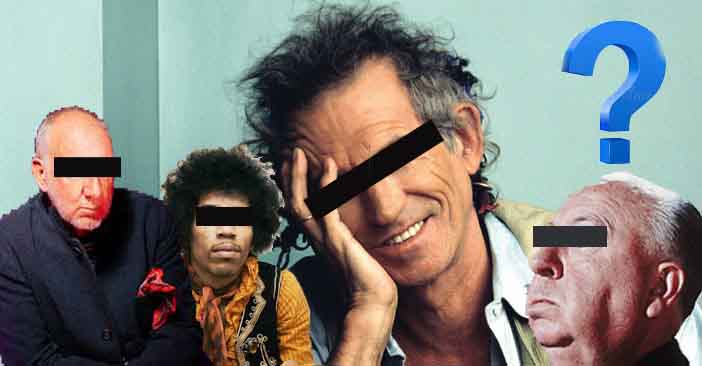
Speaking to SPIN three years prior, Richards was broached on the topic of a prospective album and in his musings named-checked the other of 1970s rock’s heavyweight third deity. “… (Pete) Townshend made better Who records than The Who did together. He used to go there with the album already finished, and the rest would come up with some dubs, but his was ten times better than the finished record. It was just a matter of them imitating what Peter had already laid out. Kinda ‘Hitchcockish’. After doin’ the storyboards, makin’ the actual movie was a drag for Hitchcock. His role thing was puttin’ it all together”.
“I always thought (Roger) Daltrey was all flash. And I love Pete Townshend, but I always thought the Who were a crazy band, anyway. You would say to (Keith) Moon, if you were in a session with him, “Just give me a swing,” and he (couldn’t) … He was an incredible drummer, but only with Pete Townshend. He could play to Pete like nobody else in the world. But if somebody threw him into a session with somebody else, it was a disaster. There’s nothing wrong with that; sometimes you’ve got that one paintbrush, and you rock it.”
It’s an intriguingly apt observation of Townshend’s role in The Who. Beyond just a guitarist, Townshend served as principal songwriter and grand-weaver of his incredibly ambitious conceptual rock operas that shaped Tommy, Quadrophenia, and the aborted Lifehouse multi-media project. Crafting taut and punchy garage power pop back when they were swinging mods, their performance at 1969’s iconic Woodstock Festival heralded a shift in Townshend’s visionary scope in conjunction with frontman Roger Daltrey’s renewed on-stage charisma.
Lost in the studio, be it conceiving a new narrative epic or immersed in the electronic innovations of his beloved ARP 2500, Townshend’s “Hitchcockian” perception are entirely fair and founded, Richards observing a creative director of the band that the Stones or anyone else in arena rock during the heady 1970s never quite possessed in their helm the same way.