It’s hard to pick out a single album of your favourite band. To cherish one set of artistic attributes over another becomes a subjective and, largely, unnecessary endeavour. But its even stranger for a member of that band to do it. For them, what constitutes the best album ever is the experience of making it or the reception it received. (FarOut reports)
Although that kind of album might come once in every career, Townshend was convinced that he could do it again with The Who’s next album, entitled Lifehouse. Bringing a futuristic twist to his first tale, the album would involve a character named Bobby as he goes through a spoon-fed version of life in a spacesuit.
When first making the album, Daltrey only could grasp a handful of ideas from the concept, telling Classic Albums, “Pete had written up a script which was basically a film script, which didn’t make any sense. But it had some good ideas in it. One I could remember was if we do find the meaning of life, it will be a musical note”.
While Townshend’s initial vision for the album didn’t end up working out as planned, Daltrey still thinks that the music was able to communicate his vision, explaining, “He wanted the feeling that the audience was just as important as the group as to what was coming out of the music. And, to be fair, I think the proof is there that that part of it actually worked because I think the record is certainly the best we ever made”.
That didn’t mean the band didn’t run into trouble when delivering the record to an audience, though. Throughout the tour, The Who’s stage show had to rely on the different tapes of the synthesisers blaring before the band kicked in, which meant knowing exactly where to be at any given moment so they would come off at the right time.
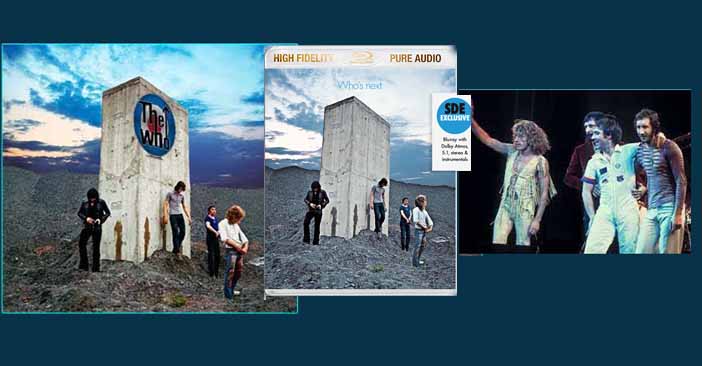
The first session for what became Who’s Next was at Mick Jagger’s house, and, in actual fact, the backing track of ‘Won’t Get Fooled Again’ was recorded alongside the Rolling Stones frontman. The bandmates brought various artists to play different instruments for this record, and the violin that can be heard in ‘Baba O’Riley’ was played by Dave Arbus and signified the group’s prominence. The final sessions were overseen by their then producer and engineer, Glyn Johns, who took the record to a whole new level with his production skills and filled Townshend with different ideas for the songs.
‘Baba O’Riley’ may well be one of the most enigmatic opening songs of all time, featuring piano and synthesizer-processed Lowrey organ by Townshend, the track breaks open the treasure chest of music to come. The song’s title is a clear tribute to Townshend’s guru, Meher Baba, and minimalist composer Terry Riley, two men who brought light to Townshend’s life. The album contained songs like ‘Won’t Get Fooled Again’, ‘My Wife’ and also included such all-time Who classics as ‘Bargain’, ‘Behind Blue Eyes’ and the majestic ‘The Song Is Over’ all of which confirmed The Who as rock giants.