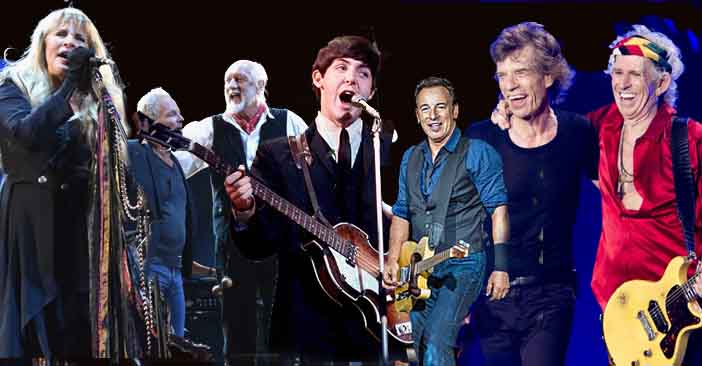
Michael Hann speaks to the musicians, politicians, and industry figures about what makes this corner of the country so hospitable for burgeoning guitar groups looking to make a splash.
There’s nowhere on Earth, perhaps, where you are reminded that rock music matters quite so much as the northwest of England. It’s there in Liverpool in the form of The Beatles, and the long mythology of scouse psychedelia. It’s there in Manchester in the way that the city’s musical and footballing successes have achieved a kind of global synonymity.
“If you go to Indonesia and say you’re from Manchester, they will say, ‘The Stone Roses, Oasis, The Smiths, David Beckham, Bobby Charlton, George Best,’” says Conrad Murray, an artist manager who has been at the centre of northwestern music for years – Courteeners, Blossoms and The Stone Roses are among the bands he has worked with. “It is such a big, interwoven thing, with music and football from Manchester.” The huge popularity of the recent Stone Roses and Manchester United collaboration with Adidas is a case in point.
The divide between the North West’s music industry and the London music industry has long been noted.
The North West plays host to huge shows every summer. This month alone, Courteeners headlined Lytham Festival, which might not sound like a big deal until you note the other headliner is Shania Twain; and Jamie Webster (the scouse answer to Gerry Cinnamon) played Sefton Park in Liverpool alongside honorary northwesterners Catfish and the Bottlemen, who come from Wrexham, just across the Welsh border. In August, Blossoms will headline Wythenshawe Park.
Ground zero for the northwestern music boom – everyone agrees – was The Beatles. (Although Greater Manchester mayor Andy Burham has a bone to pick about that. “People forget The Hollies in Manchester,” Burnham says. “The Manchester scene gets a bit minimised because of what happened in Liverpool.”) - read the full article HERE